



In the business world of 2026, personal branding is no longer an optional pastime or a vanity-driven distraction. It has become one of the most powerful engines of growth for founders, consultants, creators and CEOs alike. Something significant changed over the past two years: audiences began trusting individuals more than institutions, ideas more than advertisements, and direct voices more than polished corporate messaging. As a result, entrepreneurs who once felt invisible online are now building multi-million-pound ecosystems powered almost entirely by their personal brands.
This shift isn’t superficial. It reflects a deeper truth about how modern consumers make decisions. People increasingly want access to real humans—leaders with stories, opinions, insights and lived experience. They want the person behind the product. And it’s this hunger for authenticity that has transformed personal branding from a nice-to-have asset into a true commercial advantage.
The Era of the Visible Founder
The stereotype of the faceless CEO is rapidly disappearing. Today’s most impactful founders—whether running tech companies, boutique consultancies, luxury brands or micro-businesses—are building communities anchored around their own expertise and personality. This trend is clearly visible on platforms such as LinkedIn (https://www.linkedin.com), Instagram (https://www.instagram.com), YouTube (https://www.youtube.com) and TikTok (https://www.tiktok.com), where entrepreneurs are speaking directly to audiences with a level of openness that would once have felt risky.
But the risk has been rewarded. Those who show up consistently—sharing opinions, behind-the-scenes experiences, lessons learned, even challenges—are becoming trusted voices within their industries. In 2026, trust converts at a higher rate than any traditional advertising spend.
A powerful example is marketing educator Alex Hormozi, whose public content ecosystem turned into an eight-figure enterprise. His structure is frequently analysed in growth circles, including insights documented on https://www.hubspot.com/blog and https://www.socialmediaexaminer.com. Another is Sahil Bloom’s rise from quiet investor to influential business educator, creating vast audience-driven demand for his courses and funds. His approach is unpacked at https://www.thecuriositychronicle.com.
These stories highlight something simple but profound: visibility builds commercial gravity.
Personal Brands Equal Revenue Streams
What makes 2026 particularly interesting is the way personal branding now fuels actual commercial models rather than merely boosting online profiles. In practice, personal brands are driving revenue through:
Premium consulting and advisory work — People are far more likely to invest in high-ticket expertise from someone who regularly demonstrates thought leadership.
Digital products and memberships — The creator economy has exploded, supported by platforms such as Gumroad (https://www.gumroad.com) and Kajabi (https://www.kajabi.com), enabling founders to monetise knowledge quickly and globally.
Tech company growth — Founders who communicate publicly attract more qualified customers, talent and investors. Public visibility shortens sales cycles.
Speaking engagements — Conferences in 2026 increasingly want founders with strong personal audiences; it fills seats and generates buzz.
Brand partnerships and sponsorships — The lines between entrepreneur, creator and media brand have blurred. Many founders now generate income through collaborations with firms aligned to their niche.
For some, these revenue lines have become so strong that their personal brand outperforms the revenue generated by their core business.
The Algorithms Favour Real People Now
Algorithms across major platforms have evolved, prioritising conversations, commentary, originality and depth. This works dramatically in favour of entrepreneurs because the most powerful form of content is no longer beautiful, edited, corporate messaging—it’s a founder sharing a useful insight or compelling story directly.
LinkedIn, for instance, now prioritises posts that spark genuine interaction. Their engineering team outlines this shift in their transparency updates:
https://www.linkedin.com/help/linkedin/answer/a507663.
On TikTok, authenticity and expertise outperform polish, while YouTube continues to favour educational or narrative-led content. Their creator resources hub explains how professionals are leveraging search-driven content:
https://www.youtube.com/creators.
Success, however, is not about chasing algorithms—it’s about understanding that the platforms reward what humans reward: consistency, clarity, honesty and value.
The New Rules of Founder Visibility
Public visibility looks different in 2026. It’s no longer about being perfect, polished or omnipresent. It’s about being useful. Founders who create modern personal brands aren’t building glossy façades. They’re documenting real experiences—what they’re learning, what they’re trying, and how they’re approaching the challenges inherent to building a business.
A striking trend is the rise of “educator founders”—entrepreneurs who share their methods openly instead of guarding them. This generosity creates trust, which in turn attracts sales, investment and opportunities. Harvard Business Review touches on this shift in its analysis of expertise-led growth:
https://hbr.org/topic/subject/leadership.
Founders thriving in the new landscape tend to communicate in a way that feels more like mentorship than marketing. They speak in their own voice, not in a corporate tone. And they treat their audience as peers rather than customers.
The Psychological Side of Personal Branding
What often goes unspoken is the psychological transformation entrepreneurs experience by showing up regularly. Many find that the process clarifies their purpose, strengthens their leadership style and enhances their decision-making. By articulating their thoughts publicly, founders sharpen their thinking privately.
There’s also a sense of accountability. When you begin sharing insights with thousands—or hundreds of thousands—of people, you step into a more confident version of yourself. The act of showing up becomes a habit of consistency, resilience and creativity. It builds character as much as it builds commercial opportunity.
Why Some Founders Still Resist
Despite the clear benefits, many founders still hesitate. They fear criticism, lack confidence in their writing or speaking ability, or feel they “have nothing interesting to say.” But this resistance is dissolving quickly as the evidence mounts: founders who remain invisible are finding themselves at a disadvantage. Investors research them online. Partners assess credibility through content. Customers expect a human connection before committing.
It doesn’t take charisma to build a personal brand—only intention and consistency. As Forbes notes in its entrepreneur insights section, it’s the clarity of message, not the charisma of the messenger, that builds influence:
https://www.forbes.com/entrepreneur/.
The Road Ahead: Personal Brands as Digital Assets
As personal brands grow into highly valuable, revenue-generating assets, they are also beginning to be treated as such. In the same way that intellectual property, trademarks or patents have commercial value, personal brands are becoming measurable leverage points for investment, funding and partnerships. A founder with a strong public voice can elevate a company’s valuation, accelerate hiring and unlock new markets simply through the momentum of attention.
In 2026, attention is not a by-product. It is a form of capital.
Final Thought
Entrepreneurs who embrace personal branding now—authentically, intelligently, and with the intention to serve—stand to benefit from one of the most powerful commercial advantages of the decade. Whether you’re building a startup, scaling a consultancy, launching a tech platform or reinventing your career, your personal brand is no longer a side project. It is part of the business itself.
Visibility is credibility. And credibility, more than ever, converts.

TSF Reporters
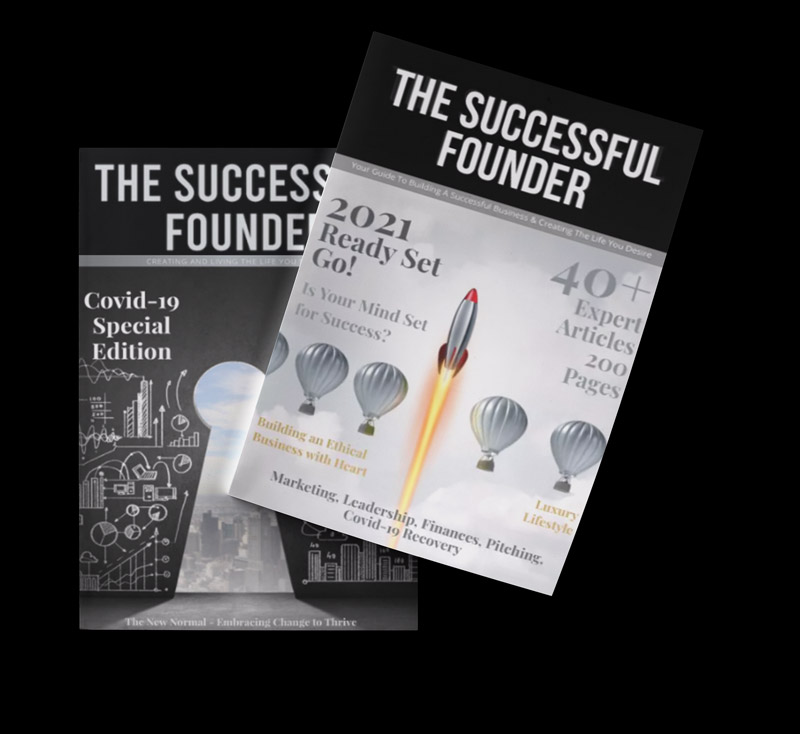
The Successful Founder Magazine is the go to feature-rich magazine for founders on all stages of their entrepreneurship journey .