



If the first wave of the creator economy was defined by entertainment and influence, the second wave — unfolding now in 2026 — is defined by ownership. A quiet revolution has taken place beneath the surface of social media culture: creators have stopped being content providers and have become brand builders. They are no longer simply collaborating with companies. They are the companies. And their impact on the global business landscape has become impossible to ignore.
This shift marks one of the most significant evolutions in modern entrepreneurship. The creator-led brand is fast becoming the new digital gold rush — not in the sense of frantic hype or speculation, but in the sense of massive opportunity, rapid scalability and unprecedented cultural influence.
Creators have become the founders of the 2020s. And consumers are responding in a way that has surprised even the world’s biggest brands.
The Collapse of the Traditional Marketing Hierarchy
For decades, marketing followed a predictable hierarchy. Brands produced the product. Agencies shaped the message. Media channels distributed the story. Influencers endorsed it. Consumers bought it. Today, that pyramid has inverted.
Creators now sit at the top.
The deep trust built between creators and their communities has made them extraordinarily influential. People no longer want recommendations from faceless corporations. They want validation from people whose lives they follow daily — whether they are fitness trainers, skincare experts, educators, gamers, chefs, analysts or entertainers.
This trust has reshaped the commercial landscape. A creator with 150,000 deeply engaged followers can outsell a multinational campaign. A single review on TikTok can empty shelves. A YouTube tutorial can create an entire micro-category. The speed at which creator-led influence converts into economic behaviour has become a defining feature of 2026’s consumer market.
TikTok’s impact on purchasing patterns is well documented in its trend reports:
https://www.tiktok.com/business/en.
Creators Are Now Building Companies With Real Infrastructure
In the early days of digital entrepreneurship, creator-led businesses were often perceived as superficial — merch lines, basic skincare drops, single-course launches. But that era is over. Today’s creator brands are sophisticated enterprises with supply chains, R&D, full teams, distribution partnerships, international retail and venture-backed growth.
Skincare brands launched by dermatologists and beauty creators are selling out repeatedly. Fitness creators are building app-based ecosystems that rival traditional gyms. Finance creators are launching education platforms and software tools. Parenting educators, interior design influencers, stylists, language teachers and food creators have built highly profitable product lines and subscription communities.
The infrastructure behind these brands is real — logistics networks, manufacturing partnerships, licensing deals, investor support and multi-channel distribution. Shopify’s creator commerce tools and integrations illustrate how streamlined these operations have become:
https://www.shopify.com/blog/creator-commerce.
What makes these brands particularly compelling is their foundation in expertise and lived experience. The creator knows precisely what their audience struggles with, desires, avoids or aspires to. This data — emotional and behavioural — becomes the backbone of the brand.
AI Has Supercharged the Creator Entrepreneur
Artificial intelligence has accelerated creator-led brand building at a pace no analyst predicted. Creators now use AI for content development, campaign ideation, product design, SEO optimisation, audience segmentation, customer support and even financial forecasting.
Tools such as ChatGPT (https://openai.com), Midjourney (https://www.midjourney.com) and ElevenLabs (https://elevenlabs.io) allow a single creator to operate with the capacity of a small agency. Meanwhile, platforms like Kajabi (https://www.kajabi.com), Circle (https://www.circle.so) and Stan (https://stan.store) make branding, payment processing and community management almost frictionless.
Creators are not just storytellers anymore — they are product innovators, brand operators and micro-media companies with extraordinary reach.
AI has eliminated the traditional bottlenecks that once required large teams, giving creators an unprecedented ability to scale with speed and elegance.
The Creator-Led Brand Feels Personal — and That Wins
The psychology behind creator brand success is simple but profound. Consumers crave connection. They crave relatability. They crave guidance from someone they trust. Traditional brands often struggle to replicate this intimacy, even with millions of pounds in creative budgets.
A creator brand, by contrast, feels like an extension of a familiar voice. When a creator launches a wellness product, their audience knows their routines, their challenges, their preferences, their authenticity. When a chef launches a seasoning line, their audience has watched them cook thousands of meals. When a fitness trainer launches a resistance-band range, followers have used their workouts for years.
The relationship is pre-established. The trust is already earned. The brand emerges organically.
Research from HubSpot’s 2025 Consumer Trend Report highlights how consumers increasingly favour brands with human leadership and visible personality:
https://www.hubspot.com/state-of-marketing.
Creator brands offer exactly that.
Creators Are Outperforming Legacy Brands in Speed, Storytelling and Loyalty
Large corporations operate slowly. They require sign-offs, committees, agencies, legal reviews and cross-department coordination. Creators do not. They sense emerging trends instantly, and they can pivot in real time.
A beauty creator can test a concept with their audience before investing in it. A financial educator can respond to economic shifts within hours. A fitness creator can co-design new programmes with community feedback in real time.
This feedback loop is incredibly powerful. Creator brands evolve with audience behaviour, not behind it.
It’s why brands like Rare Beauty (https://www.rarebeauty.com), Chamberlain Coffee (https://chamberlaincoffee.com) and MrBeast’s Feastables (https://feastables.com) have become case studies in speed, loyalty and cultural relevance.
Creators don’t just build brands. They build movements.
The Line Between Media Company and Product Company Has Disappeared
In 2026, the most successful creators aren’t only selling products — they’re building multi-layered ecosystems. A skincare brand may also include an education platform, a newsletter, a YouTube channel, a podcast and a community hub. A fitness creator may offer personalised coaching, supplements, apparel and retreats. A finance creator may launch a digital course, software tool and membership programme.
Each channel reinforces trust. Each product deepens loyalty. Each platform expands revenue. The creator brand becomes a flywheel.
This blending of media and commerce resembles what large companies have always wanted to achieve but struggled to execute. Creators, meanwhile, achieve it naturally because their influence is rooted in storytelling.
The Future: Creators as Founders, Investors and Ecosystem Builders
The next evolution of the creator-led brand isn’t just product launches — it’s equity. Creators are becoming investors, advisors and co-founders in the startups they love. They’re using distribution power as leverage. They’re negotiating equity stakes instead of one-off sponsorships. They are shaping categories at the conceptual level rather than simply endorsing them.
And investors are watching. Venture firms including a16z (https://a16z.com), Slow Ventures (https://slow.co) and Night Ventures (https://www.night.co) have been aggressively investing in creator-led companies, recognising that distribution is one of the strongest forms of defensibility.
Creators are not just participating in the modern business landscape — they are structuring it.
Final Thought
The creator economy of 2026 has matured into something far more powerful than content monetisation. It has become a new class of entrepreneurship defined by trust, personality, intelligence, agility and audience-driven innovation.
Creator-led brands are not a trend.
They are a transformation.
And the founders who understand how to merge authenticity with infrastructure will build some of the most influential companies of the next decade.

TSF Reporters
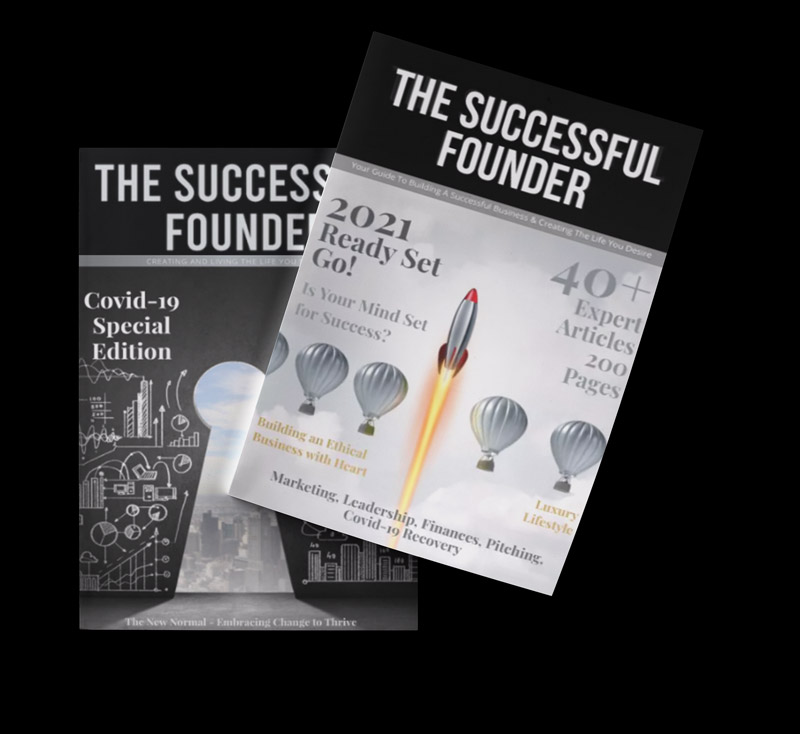
The Successful Founder Magazine is the go to feature-rich magazine for founders on all stages of their entrepreneurship journey .