


If the 2010s belonged to the startup founder and the early 2020s to the creator, then 2026 is shaping up to be the year of the solopreneur — a new breed of independent professional building businesses designed for autonomy, focus and sustainable success. But this wave is very different from the old freelancing model. It is not reactive, chaotic or underpaid. Nor is it the stereotypical lone wolf working quietly in the background.
The modern solopreneur is strategic, technologically empowered, multi-skilled and often more profitable than small teams. They operate lean businesses that reach global audiences, leverage AI to handle complex work, and position themselves not as service providers, but as specialist brands. Their businesses are not side projects; they are fully developed enterprises — streamlined, automated and deliberately crafted around personal strengths.
In 2026, the solopreneur is no longer simply someone who works alone. They are someone who has redesigned work altogether.
Technology Has Made Solopreneurship Not Only Possible, But Powerful
The most obvious difference between solopreneurs of a decade ago and those of today is the infrastructure supporting them. What once required multiple hires, costly agencies, or entire departments can now be done with a suite of intelligent tools.
AI is the backbone of this transformation. Platforms such as ChatGPT Enterprise (https://openai.com/enterprise), Claude (https://www.anthropic.com) and Perplexity (https://www.perplexity.ai) can brainstorm strategies, analyse documents, build workflows, generate content, manage communications and provide real-time research. Meanwhile, Notion AI (https://www.notion.so/product/ai), Zapier (https://zapier.com/ai), Canva (https://www.canva.com) and Webflow (https://www.webflow.com) allow solopreneurs to design, automate and scale entire ecosystems with astonishing speed.
The result is that one person can now run a brand with the sophistication of a small studio. And because AI continues learning from data inputs, solopreneurs can deliver increasingly personalised, high-touch work without burning out.
This is the first era in which working alone is not a limitation — it is a structural advantage.
The Desire for Autonomy Has Become a Global Phenomenon
What’s striking about the solopreneur movement is how emotionally driven it is. People aren’t becoming solopreneurs because they lack options, but because they crave control: control over their time, their creative direction, their income streams, their values, and the type of work they engage with.
The pandemic years, followed by economic instability and AI-driven workplace restructuring, created a profound shift in how people view employment. Traditional career ladders felt fragile. Corporate structures felt restrictive. Many professionals discovered that they could perform better, feel healthier and earn more when directing their own schedules.
Studies by Gallup and McKinsey have documented this psychological shift in detail, with a growing majority of professionals valuing autonomy and creative ownership over title or hierarchy:
https://www.gallup.com/workplace/349484/state-of-the-global-workplace.aspx
https://www.mckinsey.com/capabilities/people-and-organizational-performance.
Solopreneurship is not a rebellion against work — it is a redesign of it.
Solopreneurs Are Specialising, Not Generalising
One of the biggest misconceptions about solopreneurs is that they are jacks-of-all-trades. In 2026, the opposite is true. The most successful solopreneurs are specialists. They occupy micro-niches so specific that they appear unusual from the outside but are extremely lucrative within their markets.
There are solopreneurs who specialise in luxury travel writing, AI workflow design, brand psychology, customer journey architecture, niche fitness coaching, TikTok strategy for authors, retention marketing for subscription companies, and highly specific areas of wellness consulting.
Their power lies in their precision. With niche comes expertise, and with expertise comes pricing freedom.
Solopreneurs don’t compete with generalists. They compete with boutique agencies — and often win because they are faster, more flexible, more personalised and more cost-efficient.
Personal Brands Are the New CVs
The rise of the solopreneur coincides perfectly with the explosion of personal branding. Platforms such as LinkedIn (https://www.linkedin.com), Instagram (https://www.instagram.com), TikTok (https://www.tiktok.com) and Substack (https://substack.com) have become the modern solopreneur’s storefront, stage and sales engine.
But personal branding in 2026 is not performative or curated to perfection. It is personality-led, expertise-driven and intentionally human. Solopreneurs show their thinking publicly. They explain how they solve problems. They share wins, failures, lessons and opinions. They show up consistently as themselves — and this builds trust, which converts to opportunity.
Visibility is the currency of independent work now. When customers feel like they know the person behind the business, the barrier to purchase disappears.
Solopreneur Businesses Are Lean by Design
One of the most economically impressive aspects of solopreneurship in 2026 is how financially efficient these businesses are. With little overhead, low risk, minimal staffing, and modular tech stacks, solopreneurs can scale revenue without scaling complexity.
Revenue models are more diverse too. Instead of relying on one service, solopreneurs often create hybrid ecosystems: consulting, digital products, memberships, affiliate income, brand partnerships, speaking engagements, workshops and licensing. The result is robust economic resilience.
Platforms like Gumroad (https://www.gumroad.com), Circle (https://www.circle.so), Kajabi (https://www.kajabi.com) and Podia (https://www.podia.com) make it seamless to diversify income streams without increasing workload.
Solopreneurs aren’t building empires — they are building elegant systems.
Community Has Become an Essential Success Factor
Even though solopreneurs work independently, they rarely build in isolation. The smartest ones create or join communities that reinforce their expertise and offer emotional, strategic and social support.
Communities such as Indie Hackers (https://www.indiehackers.com), Trends.vc (https://trends.vc), female-founder networks like AllBright (https://www.allbrightcollective.com) and Chief (https://chief.com), and niche creator groups on Slack and Discord have become powerful strategic hubs.
These communities provide what traditional workplaces once did: feedback, accountability, collaboration, connection and visibility. This social infrastructure is one of the biggest reasons solopreneurs can operate sustainably without teams.
They may work alone, but they do not grow alone.
The Emotional Intelligence Advantage
Something else sets the 2026 solopreneur apart: the ability to navigate work with emotional intelligence. Solopreneurs are designing businesses that protect their mental health rather than deplete it. They set boundaries. They build work around energy cycles. They integrate creativity and recovery into their schedules. They turn down misaligned clients. They value long-term wellbeing over short-term cash.
This psychological maturity is a competitive advantage. Calm founders make better strategic decisions, communicate more clearly, and deliver a better client experience. The solopreneurs thriving in 2026 understand that their emotional state is part of their business infrastructure.
The era of hustle-driven burnout is fading. The era of emotionally intelligent entrepreneurship is rising.
The Future of Solopreneurship
Looking ahead, 2026 is likely to be remembered as the beginning of solopreneurship’s golden decade. AI will continue accelerating what one person can accomplish. Distribution platforms will continue amplifying personal brands. Communities will deepen. Niche expertise will become even more valuable. And traditional employment structures will look increasingly outdated for skilled professionals who crave freedom, purpose and creative control.
Solopreneurs are not the fringe of the economy anymore. They are becoming one of its most innovative segments — small in size, but immense in influence.
Final Thought
The new solopreneur is not a freelancer, hobbyist or side hustler. They are a designer of their own economic destiny. They build intentional, resilient, beautifully lean businesses that reflect not only what they can do, but who they are.
In 2026, solopreneurs represent something bigger than entrepreneurship.
They represent a cultural movement — one built on autonomy, intelligence, personal excellence and the belief that the future of work can be both ambitious and humane.

TSF Reporters
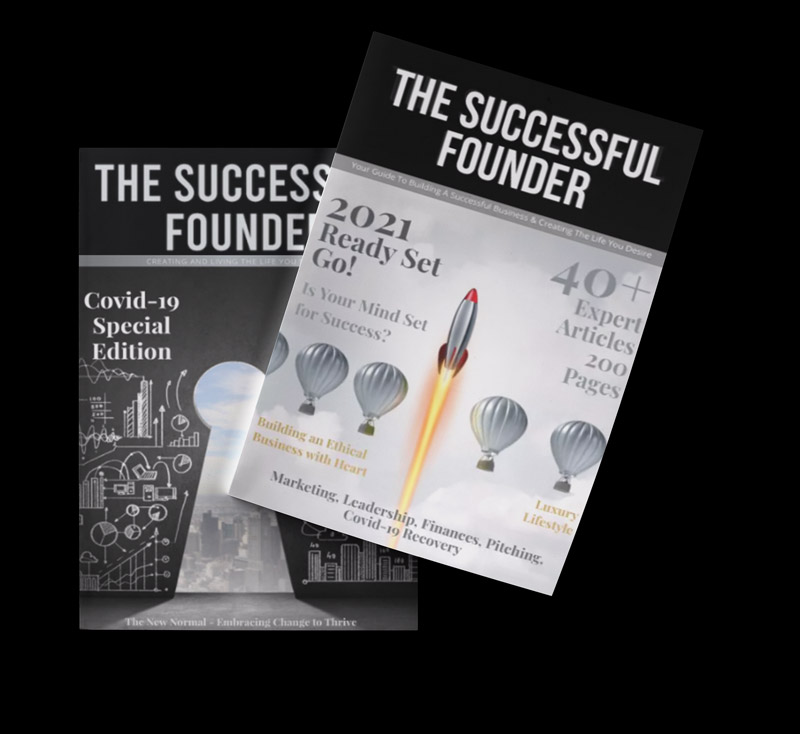
The Successful Founder Magazine is the go to feature-rich magazine for founders on all stages of their entrepreneurship journey .