


The side hustle was once seen as a hobby, a financial top-up, or a creative outlet tucked between the edges of traditional work. But in 2026, the cultural energy around side hustles has transformed entirely. What was once a “nice-to-have” is now a mainstream entrepreneurial engine — a movement reshaping the global economy from the ground up.
Side hustles have become serious businesses. They earn real revenue. They attract loyal followings. They scale across countries. They evolve into brands with teams, ecosystems, intellectual property and investment potential. And they are no longer viewed as amateur ventures — they are respected, intentional and structurally sound.
The shift is not simply economic. It is emotional. People want more autonomy, more creativity, more fulfilment and more control over their lives. Side hustles are no longer a reaction to economic insecurity. They are a response to the desire for self-determination.
The Emotional Drivers Behind the Side Hustle Boom
People begin side hustles for practical reasons — to earn extra income — but they stay because of emotional alignment. A side hustle provides something traditional work often cannot: self-expression, ownership, creativity, flexibility and joy.
The modern worker no longer wants their identity defined by a job title. They want to build something that feels intrinsically theirs. The side hustle has become a sanctuary for authenticity.
This emotional drive has been amplified by years of instability. After navigating remote work, burnout, layoffs, AI disruption and rising living costs, people want agency. A side hustle provides that in a way no employer can match.
This is why platforms like Etsy (https://www.etsy.com), Gumroad (https://gumroad.com), Payhip (https://payhip.com) and Patreon (https://www.patreon.com) continue to thrive. They offer creative sovereignty.
Technology Has Made the Barrier to Entry Disappear
In 2026, launching a side business requires neither capital nor permission. Tools like Shopify (https://www.shopify.com), Canva (https://www.canva.com), ChatGPT (https://openai.com), Midjourney (https://www.midjourney.com), Notion (https://www.notion.so) and TikTok Shop (https://www.tiktokshop.co.uk) have collapsed every barrier that once prevented everyday people from starting something meaningful.
Product creation can be automated.
Design can be AI-assisted.
Marketing can be creator-led.
Customer service can be AI-powered.
Fulfilment can be outsourced.
Education is free or nearly free.
This democratisation has created an entrepreneurial middle class — something economists long believed was impossible.
Side hustles are no longer small. They are simply in their early stages.
The Creator Economy Has Become a Business Incubator
Creators are the new business founders, and side hustles are their testing labs. You can see this everywhere: a beauty creator launches a skincare line; a fitness creator launches an app; a travel influencer starts a small-group travel brand; a home décor creator launches a candle studio; a finance creator builds a digital academy.
Platforms like Instagram, TikTok and YouTube have become R&D departments. Community is the focus group. Content is the beta test. Feedback loops are instant. Iteration is rapid.
This is why creator-led brands like Feastables (https://feastables.com), Rare Beauty (https://www.rarebeauty.com), Chamberlain Coffee (https://chamberlaincoffee.com) and Matte Black Coffee (https://matteblackcoffee.com) have scaled so quickly. They began as “side projects.” They became movements.
The modern side hustle is not peripheral. It is the birthplace of tomorrow’s biggest brands.
Multi-Stream Income Is Now a Lifestyle Choice
In 2026, people no longer trust a single income stream. AI, automation and economic unpredictability have made diversification feel essential. Side hustles offer financial scaffolding — a second or third income stream that strengthens personal stability.
But there is another layer: creative diversification.
People want to explore multiple identities. A marketer by day may be a ceramicist by night. A teacher may be a small business owner. A designer might run a travel consultancy on weekends. These layered identities expand confidence, enrich wellbeing and reinforce a sense of personal potential.
The side hustle doesn’t just diversify money. It diversifies identity.
Small Becomes Sustainable — and Then Scalable
Something fascinating has happened in the last three years: people no longer assume “bigger is better.” They want sustainable growth, gentle scaling and businesses that fit their lives. Many side hustles stay intentionally small — thriving, profitable, life-enriching.
Others scale when the timing feels right. They build teams, expand product lines, raise investment or transition into full-time enterprises. The side hustle has become a testing ground for sustainable entrepreneurship — low risk, high learning, emotionally aligned.
This flexible path to growth is why more Millennials and Gen Z creators have become founders than any previous generation.
In 2026, the side hustle is no longer a side story. It is the centre of a new entrepreneurial era — one defined by autonomy, creativity and human expression. People are no longer waiting for permission to build something meaningful. They are building it themselves. And these businesses, born in spare rooms, weekend hours and creative pockets of time, are shaping industries, cultures and economies worldwide.
The side hustle is not a trend.
It is the new blueprint for personal freedom.
TSF Reporters
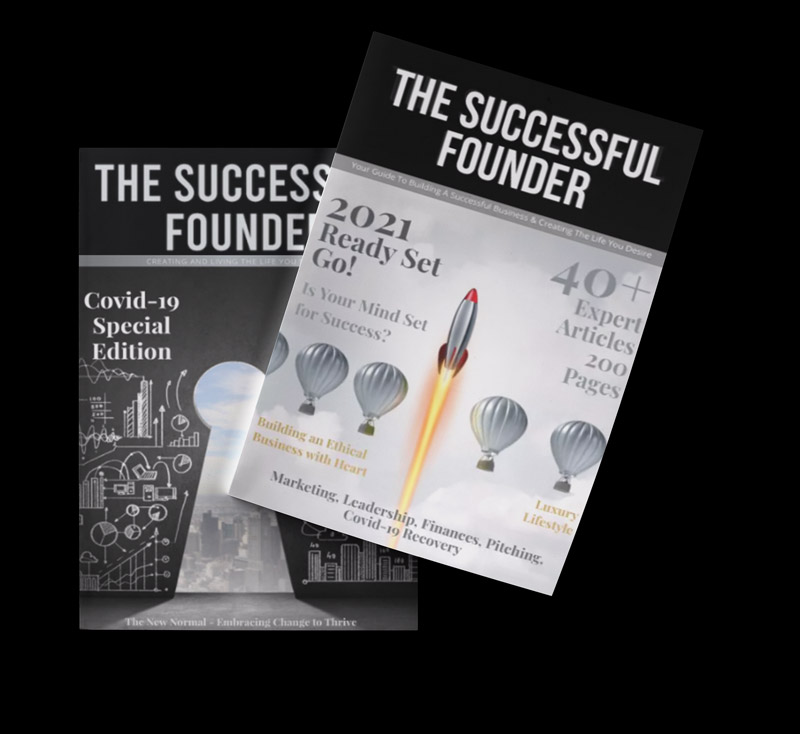
The Successful Founder Magazine is the go to feature-rich magazine for founders on all stages of their entrepreneurship journey .